From coastal trading post to global seaside city
As your bus glides past beaches, marinas and neon facades, you’re moving through Miami’s layered story of migration, design, commerce and cultural exchange.
Table of Contents
Earliest peoples & coastal beginnings
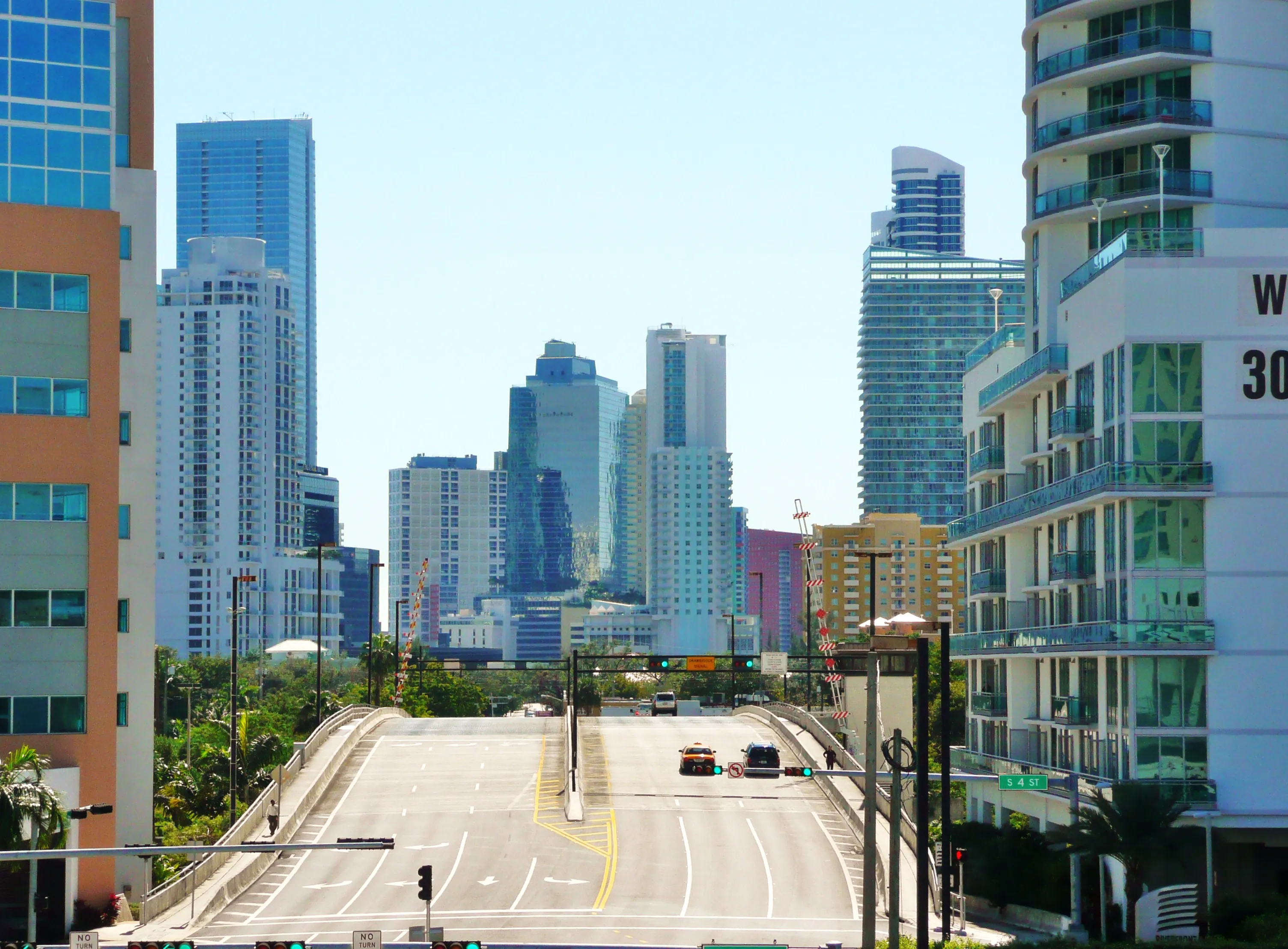
Long before skyscrapers and neon, the lands around Biscayne Bay were home to indigenous peoples—the Tequesta and other communities—whose fishing, canoeing and seasonal movements were shaped by mangroves, tides and bays. European explorers arrived in the 16th century and later intermittent settlement by Spanish and British colonists left scattered footprints rather than permanent towns for many years.
The modern city we know as Miami began to coalesce in the late 19th and early 20th centuries, when entrepreneurs, rail links and visionary developers saw potential in the warm climate and deepwater bays. The area transformed from quiet farmland and coconut groves into a gateway for trade, tourism and migration—a coastal place defined by both commerce and the lure of sunny beaches.
The rise of Miami Beach & Art Deco
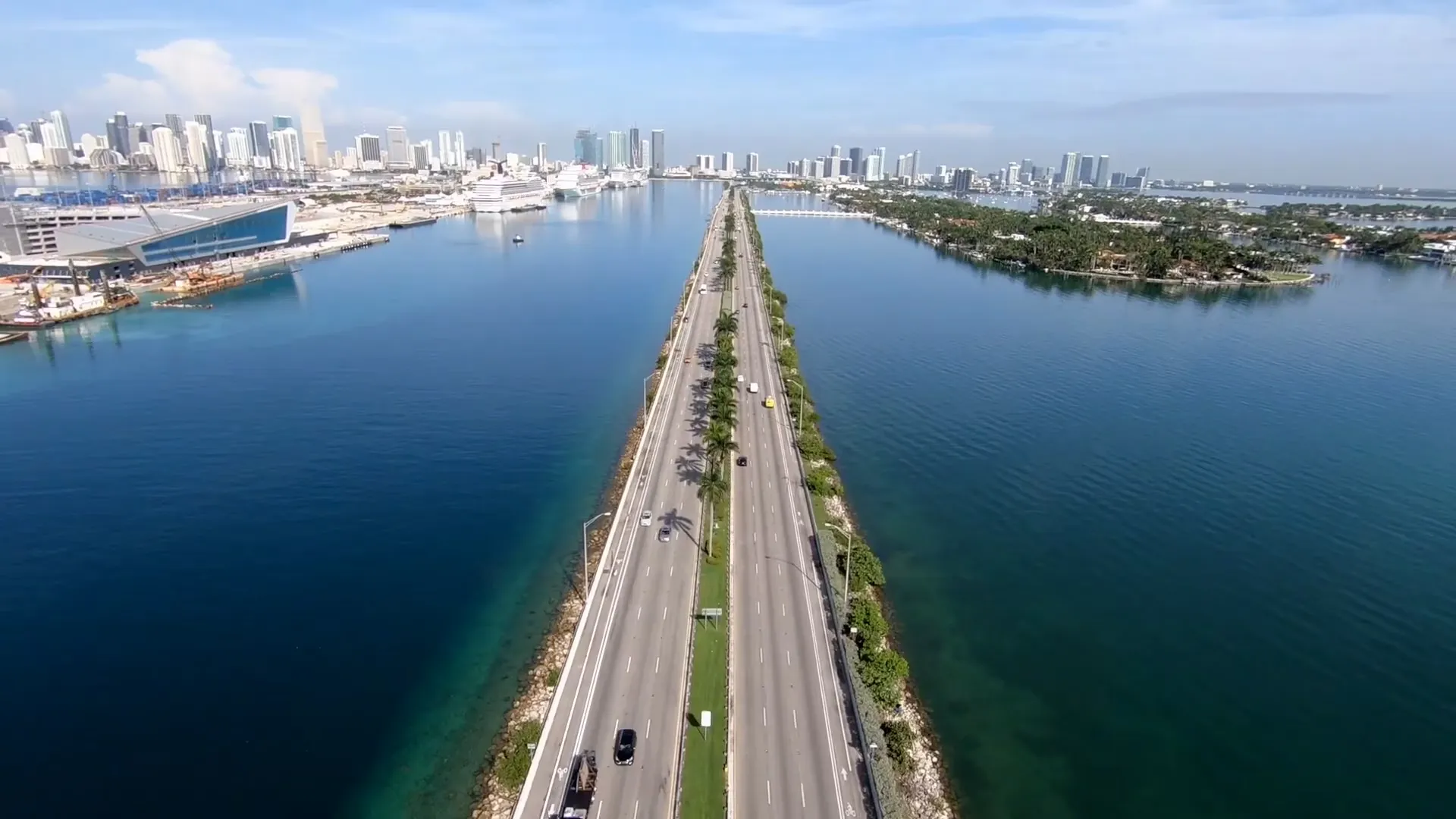
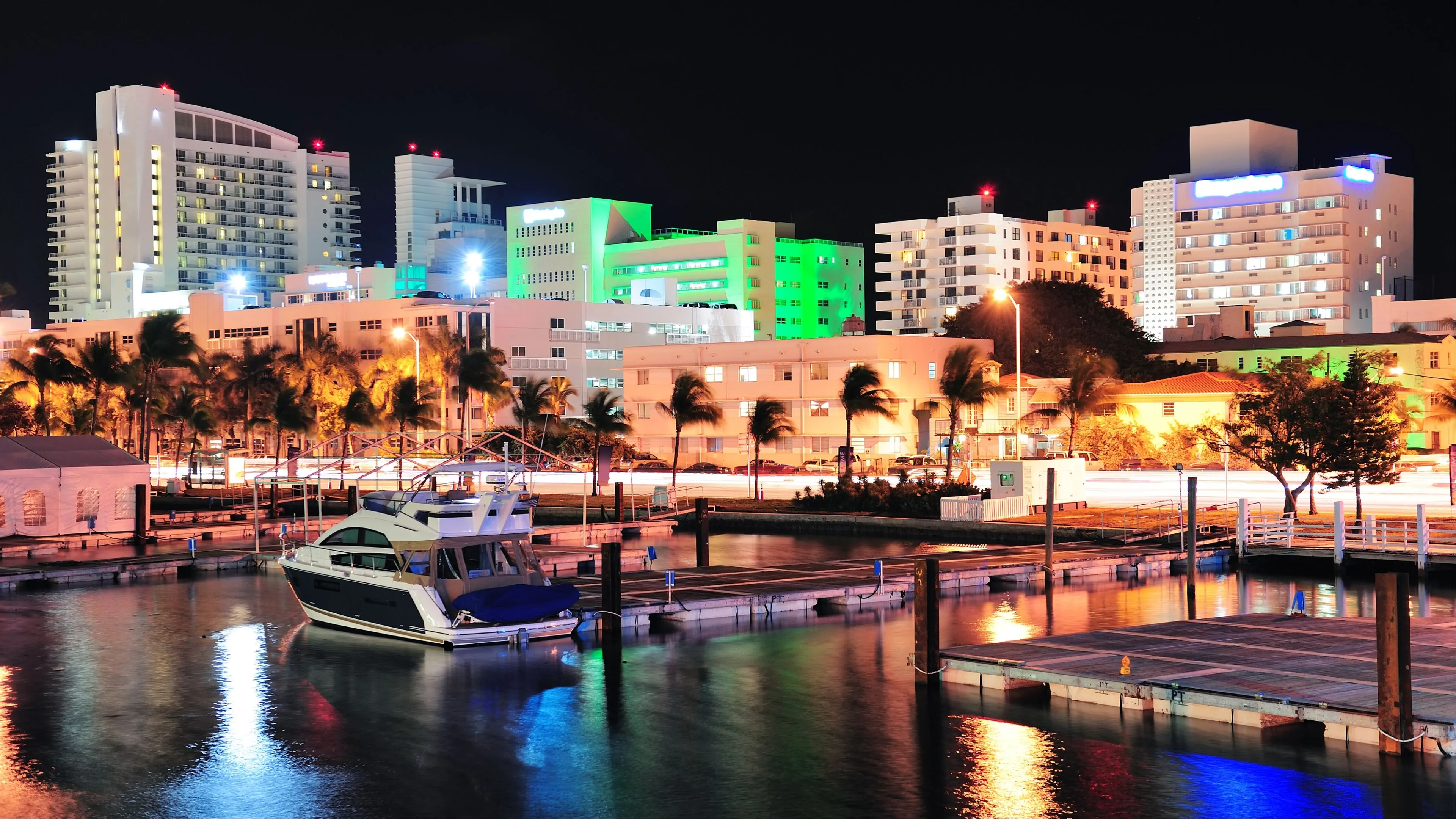
Miami Beach’s story is one of reinvention: from sand dunes and mangrove fringe to a glamorous resort playground shaped by bold architects in the 1920s and 1930s. The Art Deco District on Ocean Drive is a living museum of pastel colors, neon signs and streamlined forms—buildings that aimed to embody modernity, leisure and optimism during an era of rapid growth.
Walkable boulevards, open terraces and plenty of sunshine invited visitors to linger, and over the decades South Beach became synonymous with sunbathing, late‑night scenes and a beach culture that keeps evolving to this day. Hop off to explore the architecture, linger in cafés and feel how design and lifestyle blended into Miami’s identity.
Cuban migration and Little Havana
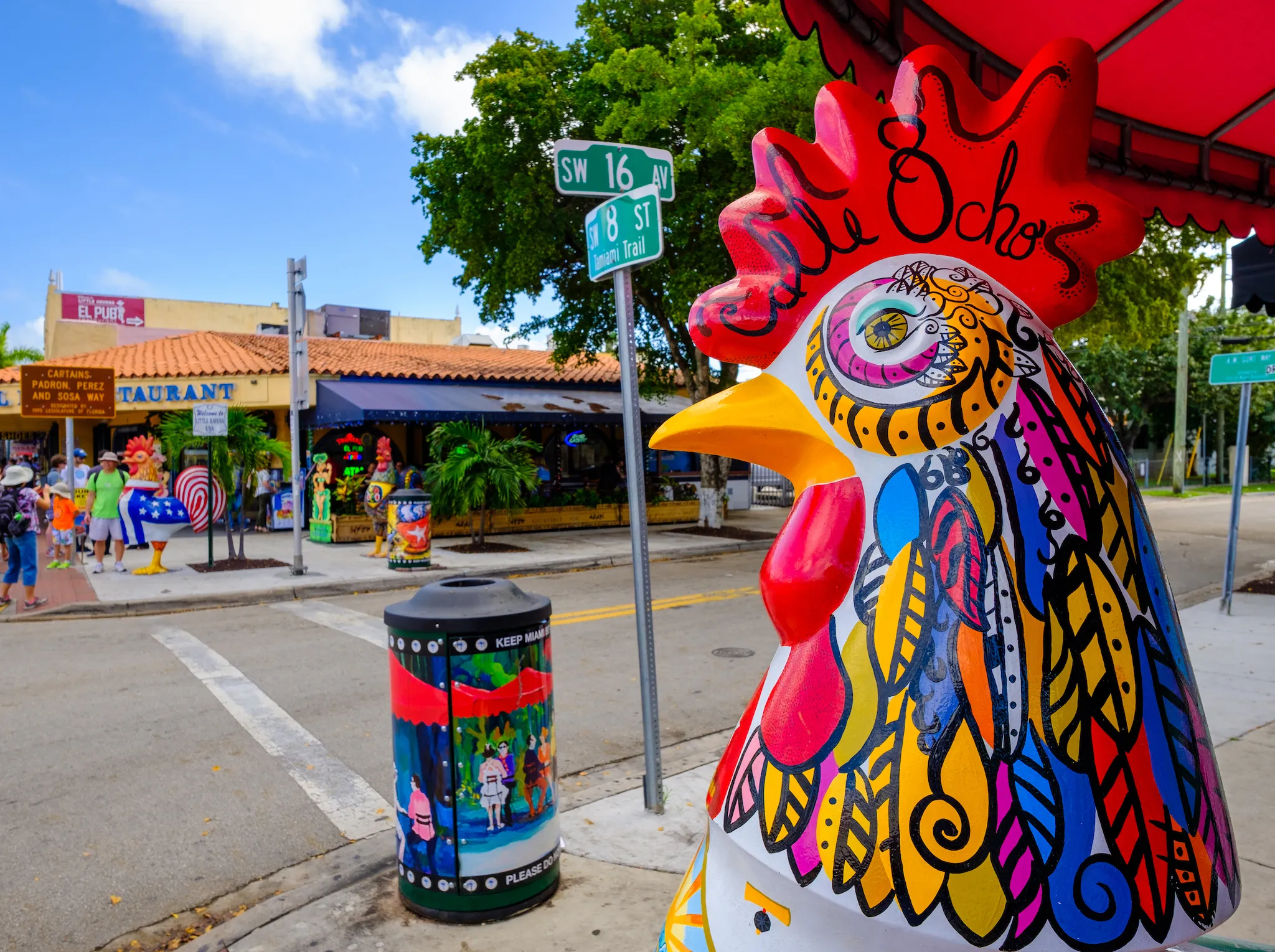
Little Havana is a vivid chapter of Miami’s story—shaped by waves of Cuban migration, exiles and entrepreneurship. Calle Ocho’s cafés, cigar rollers and cultural centers preserve and reinvent Cuban traditions: music, food, political meetings and everyday conviviality.
As you walk between bakeries and art galleries, you’ll hear Spanish, taste cafecito and spot murals that tell stories of migration, resilience and creative life. The hop‑on hop‑off bus offers a practical way to connect Little Havana with other cultural stops so you can sample the neighborhood rhythm without losing time navigating on unfamiliar roads.
Wynwood, street art & creative renewal
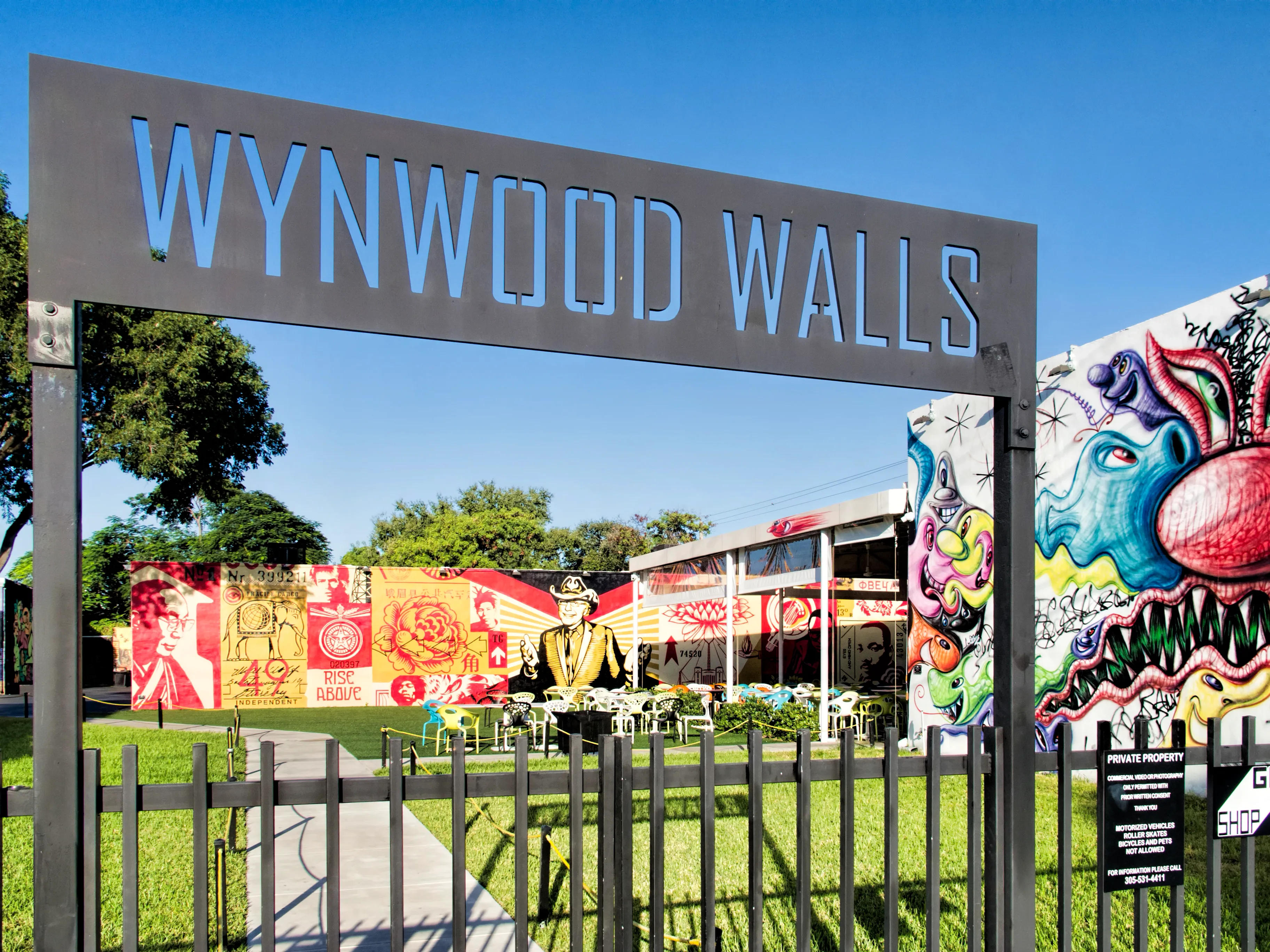
Wynwood’s transformation from warehouse district to global street‑art hub is among Miami’s boldest reinventions. Vast mural canvases by local and international artists, converted galleries and hip eateries make this a magnet for creative curiosity and nightlife.
Hop off to wander alleyways of painted murals, visit small galleries and sample craft food. The neighborhood’s energy and scale make it rewarding to spend time here rather than just pass through—exactly why a hop‑on hop‑off pass is handy for combining Wynwood with other stops in a single, manageable day.
Biscayne Bay, Vizcaya & waterfronts
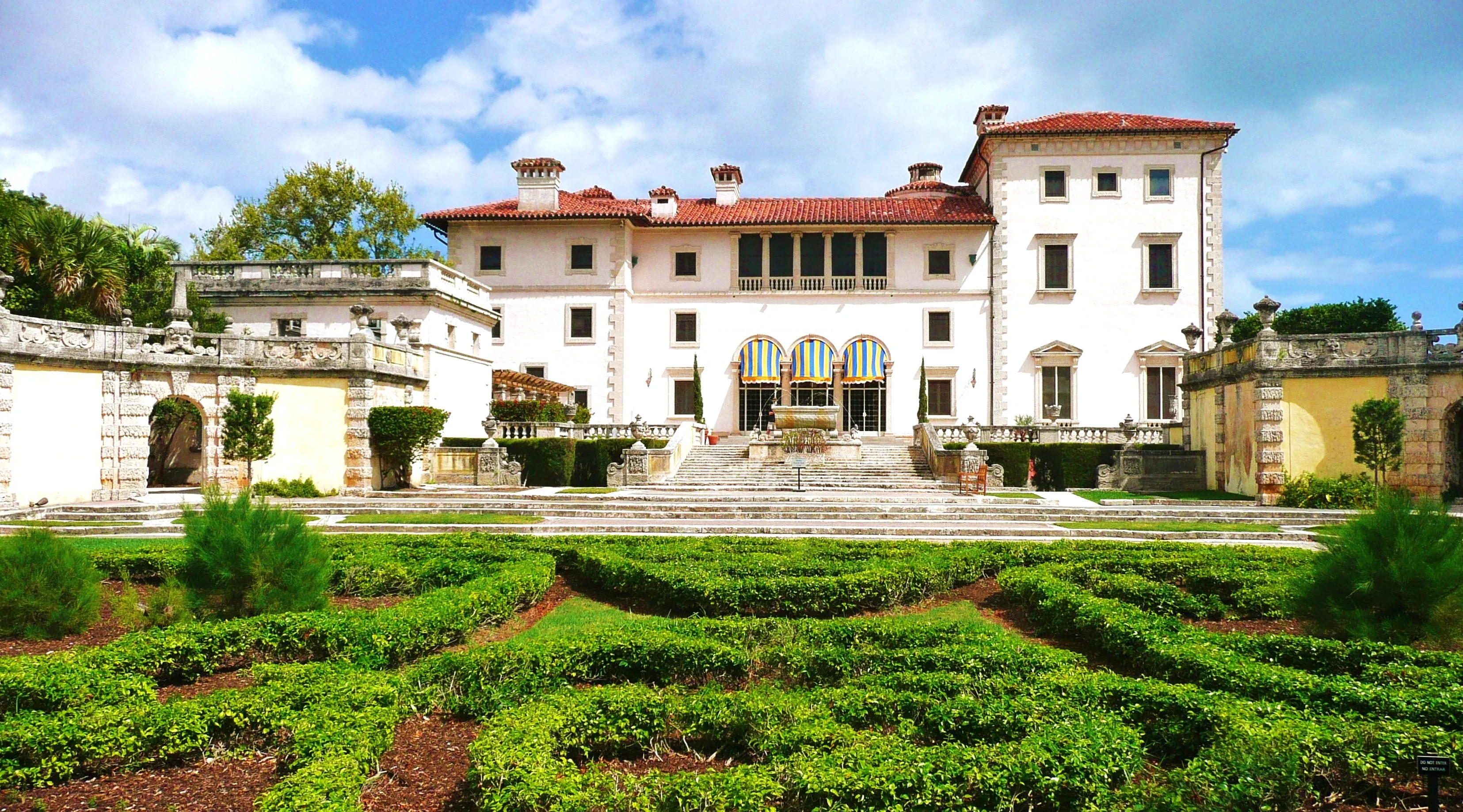
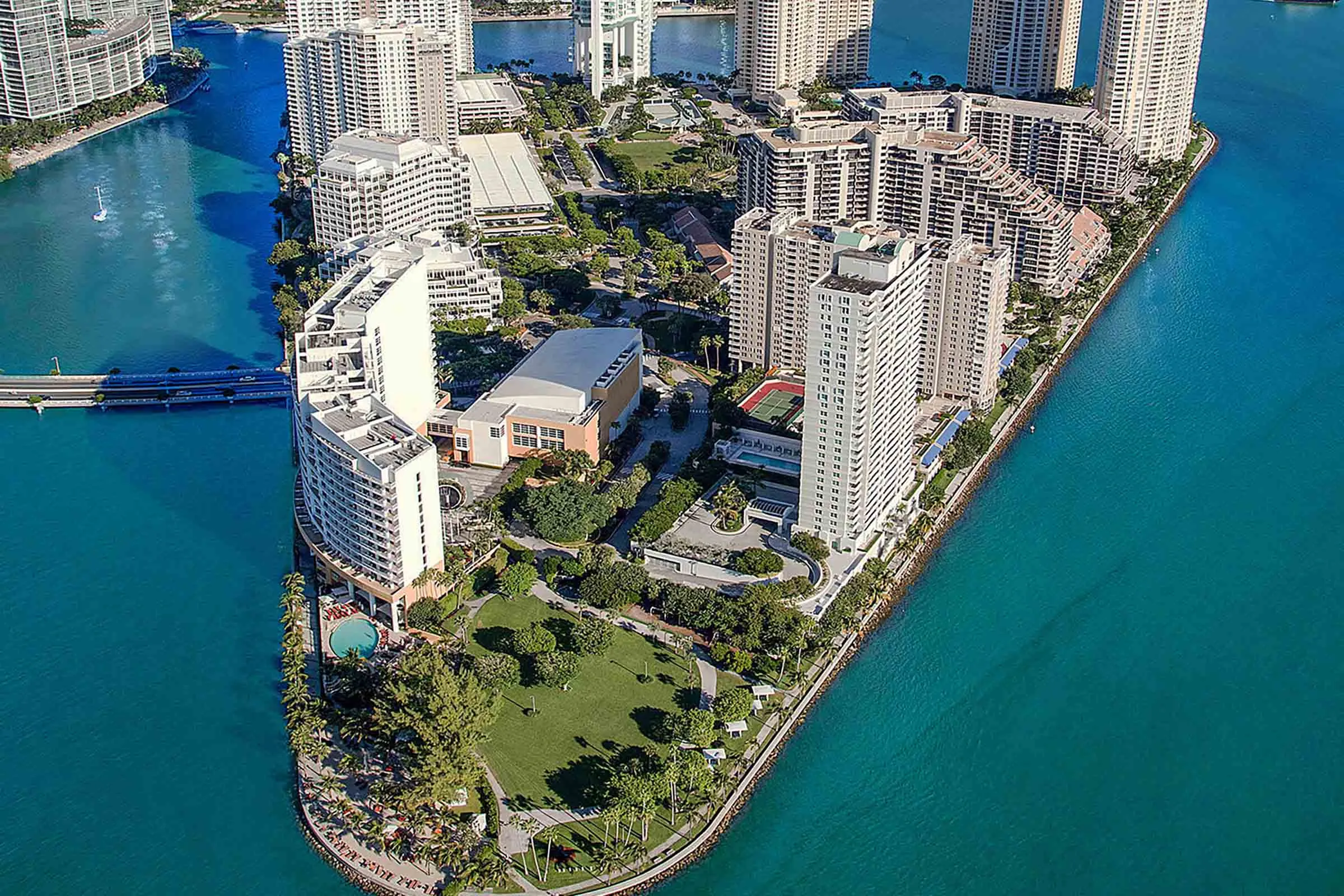
Biscayne Bay and its islands define much of Miami’s geography and imagination. Vizcaya Museum & Gardens—an early 20th‑century estate modeled on European villas—offers manicured gardens and waterfront views, a striking contrast to Miami’s modern skyline.
From the bus you’ll see marinas, leisure boats and the busy Port of Miami across the water. Stops along the bay let you mix shoreline walks with cultural visits, and often provide calmer, breezy breaks from the city heat.
Mid‑century growth & the modern skyline
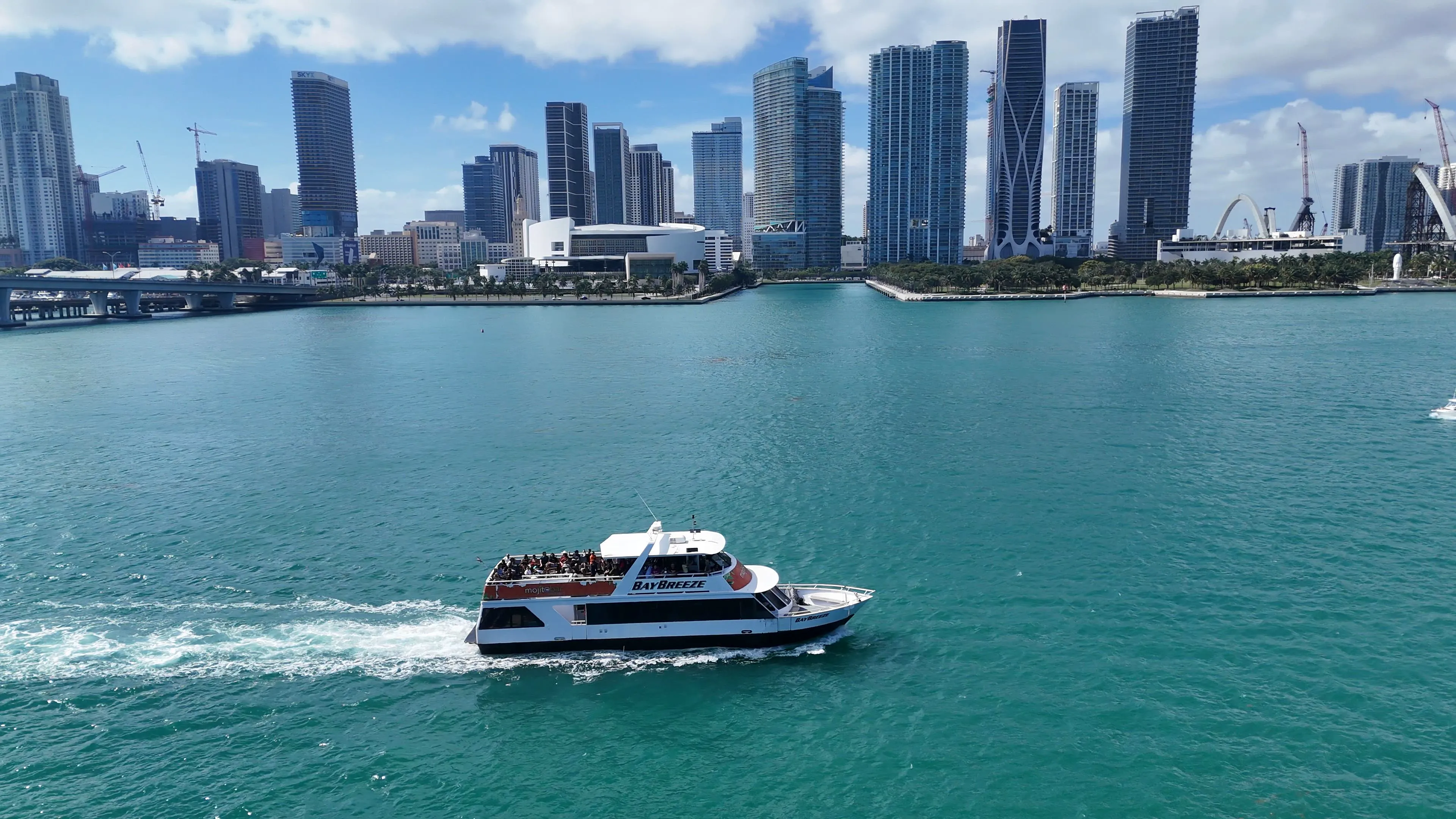
Brickell and downtown Miami reveal the city’s modern economic axis—gleaming towers, high‑end dining and a skyline that grew rapidly in recent decades. The contrast between high finance buildings and historic neighborhoods adds texture to any ride through the city.
From the bus you’ll glimpse the mix of commerce and leisure that fuels Miami—office workers, waterfront promenades and rooftop bars. Hop off in Brickell for modern restaurants or return to the bus for calmer, historic stops elsewhere.
Tourism, events & Miami’s calendar
Miami’s year is punctuated by major events—Art Basel, Miami Music Week, boat shows and sports fixtures—that draw global audiences. These events shape busier schedules, heightened demand and occasional route adjustments.
A smart hop‑on hop‑off plan can thread event highlights into a broader visit: combine a gallery hop in Wynwood with a sunset bay cruise or time your beach stop around local concerts and pop‑ups to catch the city when it feels especially alive.
Crowds, safety & accessibility
Miami can be crowded in peak seasons and during big events—stay aware of your surroundings, especially in busy tourist hubs. Keep valuables secure, use sunscreen and stay hydrated on sunny days when you’ll likely spend time outdoors.
Accessibility has improved across many operators with ramps, low‑floor entry and reserved spaces; however, street conditions vary. If accessibility is a priority for you, contact the provider ahead of time to confirm vehicle specs and which stops on the route are step‑free.
Festivals, food & music scenes
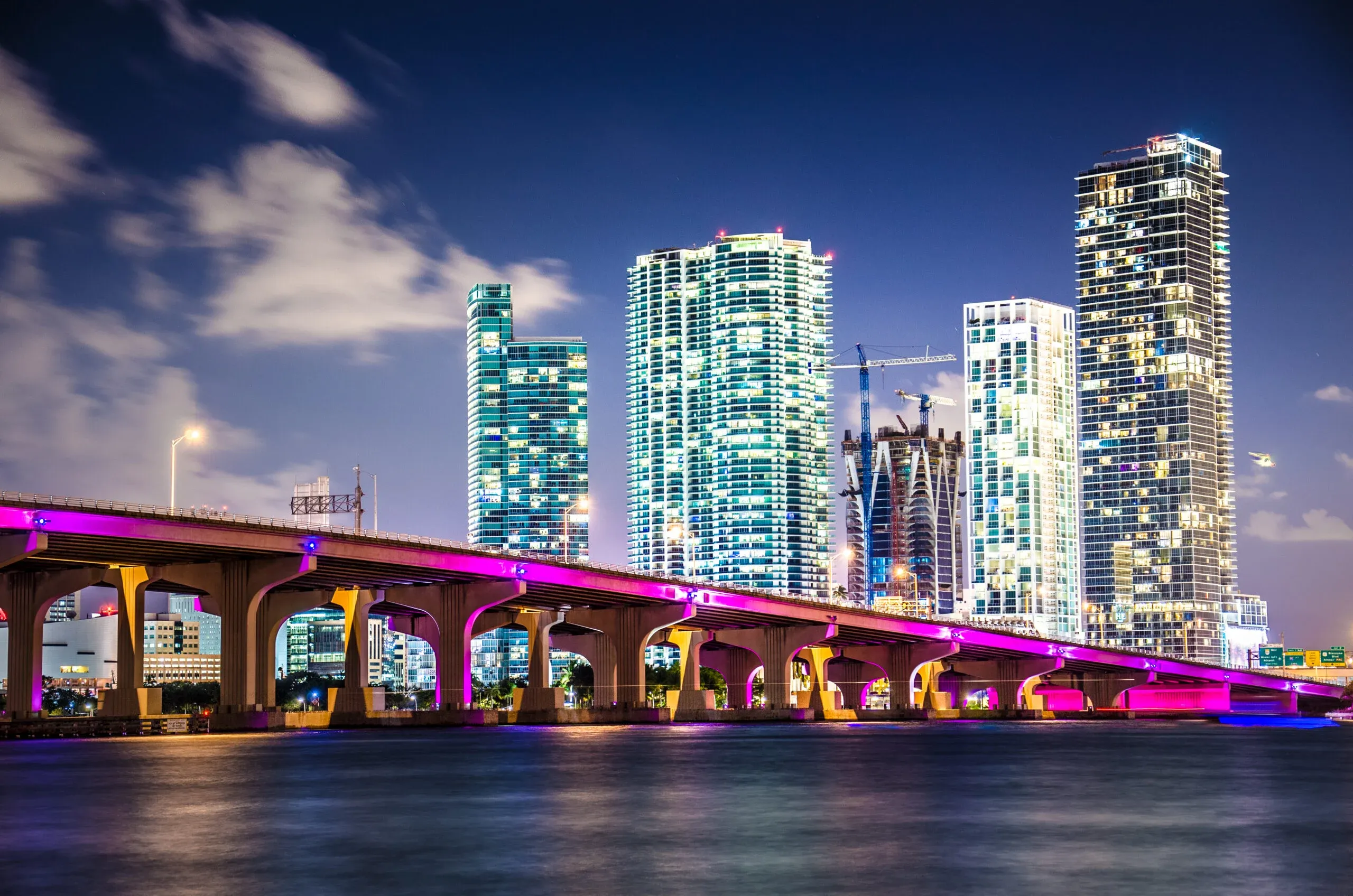
Miami hosts a lively calendar of festivals—marine festivals, art events, food fairs and music weekends—that bring neighborhoods to life. From Latin music on Calle Ocho to large‑scale contemporary art at Wynwood and international showcases downtown, timing your visit can reward you with live culture at multiple stops.
Even on ordinary days street music, outdoor performances and pop‑up markets create moments of discovery; hop off to follow a live set or sit down for a local dish and you’ll feel how Miami mixes the everyday and the spectacular.
Tickets, passes & smart planning
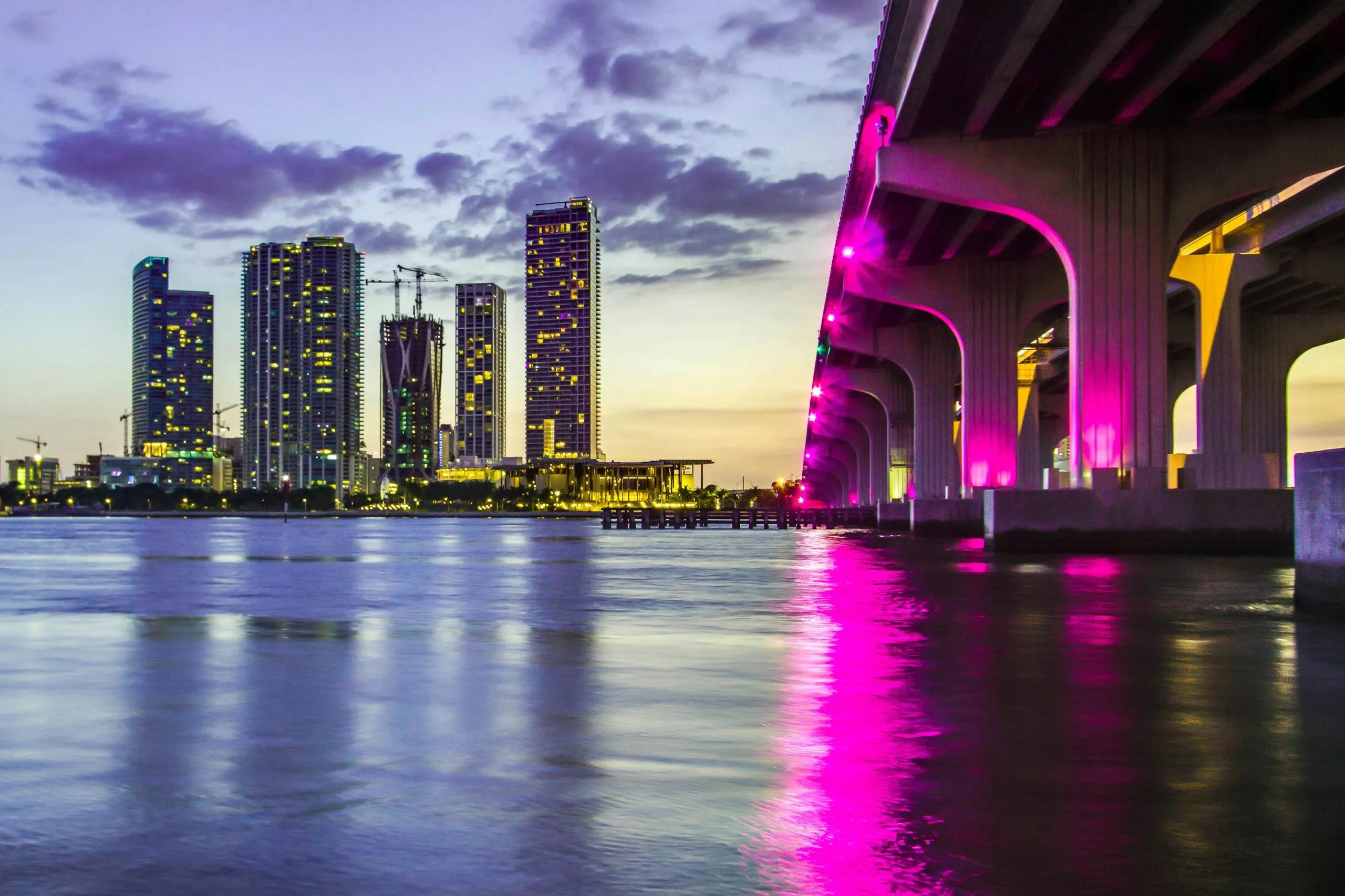
Compare operators and passes—some focus on beaches and bayfronts, others include neighborhood loops that stop in Wynwood, Little Havana and Vizcaya. Choose a pass that matches the areas you most want to explore and whether you prefer a single packed day or a relaxed two‑day rhythm.
For short stays a 24‑hour pass gives a great sampler; for longer visits, multi‑day passes or combos with a bay cruise add flexibility. Think about timing (morning light on the beach, late afternoon for murals and sunsets) and plan hop‑offs where you want to linger.
Preserving character in a growing city
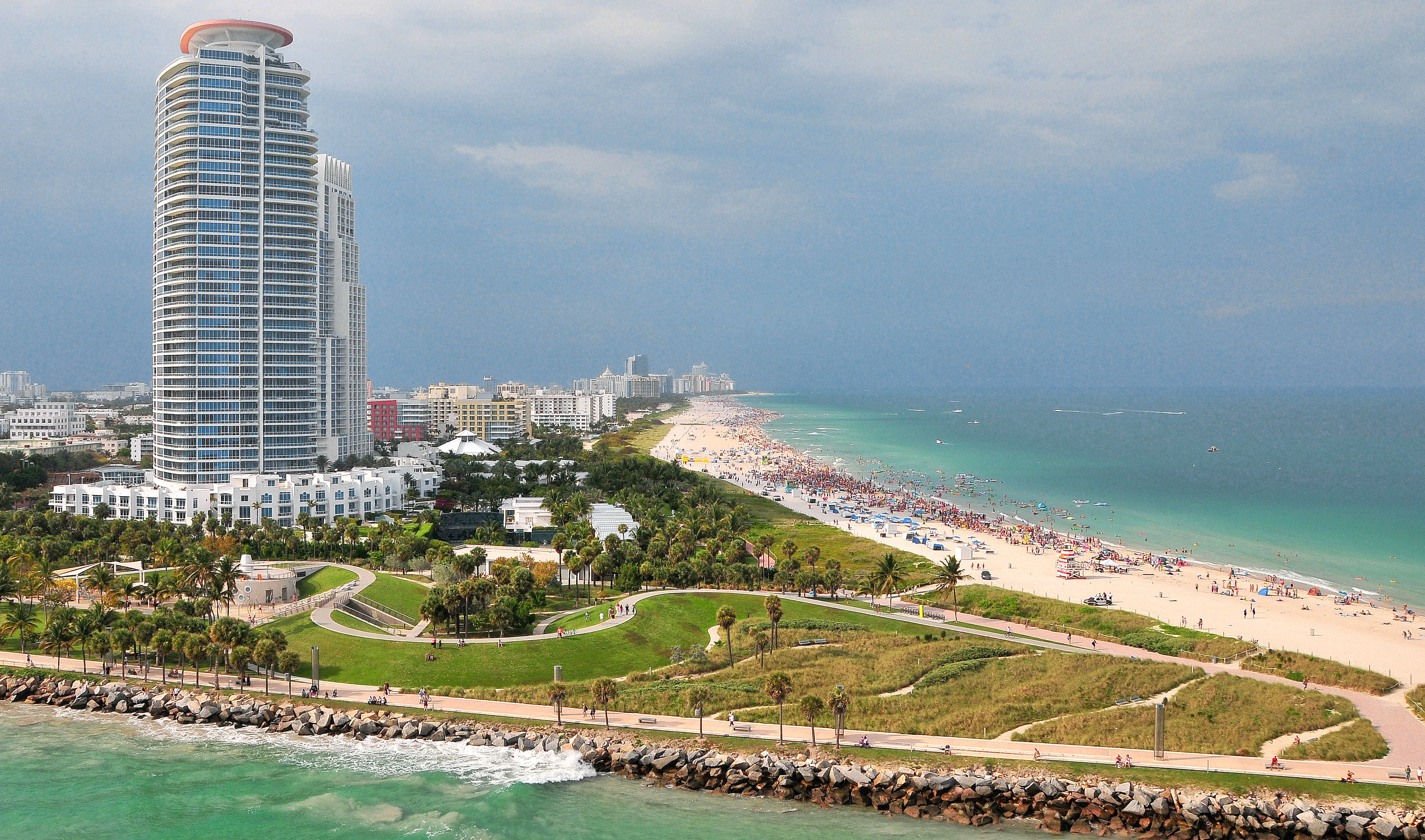
Miami’s rapid growth brings pressures on historic districts and coastal environments. Efforts to preserve Art Deco architecture, protect waterfront parks and conserve mangroves reflect ongoing conversations about how to keep Miami livable and culturally vibrant as it expands.
Visitors support preservation by choosing official tours, respecting private property and patronizing local businesses that contribute to neighborhood life. A thoughtful hop‑on hop‑off visit helps spread tourist impact across neighborhoods rather than concentrating it in a few fragile spots.
Side trips & nearby natural escapes

Treat the hop‑on hop‑off bus as a springboard: from Bayside you can board short boats to nearby islands, or plan a half‑day to the Everglades for airboat tours and wildlife. Coral Gables, with its shady avenues and elegant shops, is an easy add‑on for those who want leafy streets and leisurely cafes.
A bay cruise paired with a bus route gives you two perspectives—the waterline and the streets—letting you appreciate Miami’s maritime heartbeat as well as its neighborhoods.
Why a bus ride tells Miami’s story
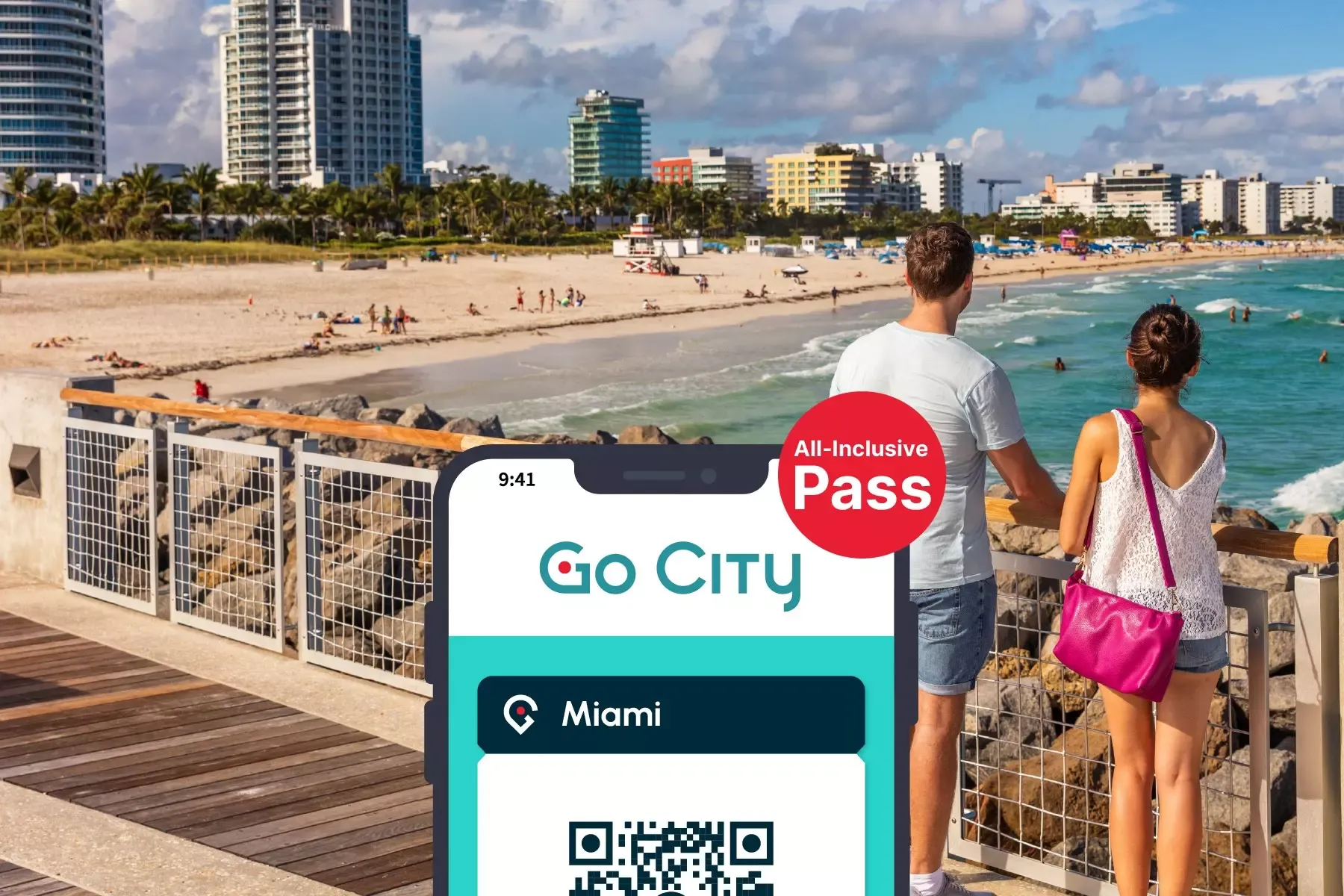
A hop‑on hop‑off bus in Miami is more than transport: it’s a narrative that threads beaches, art, migration and maritime life together. One moment you’re watching surf and sunbathers on South Beach, the next you’re passing murals, then catching a downtown skyline framed by palms—each scene reveals a different facet of the city.
By hopping off and lingering where you like, you stitch together memories of food, music and places that show why Miami’s charm is both local and international. The bus helps you collect those moments without the stress of driving or parking.
Table of Contents
Earliest peoples & coastal beginnings
Long before skyscrapers and neon, the lands around Biscayne Bay were home to indigenous peoples—the Tequesta and other communities—whose fishing, canoeing and seasonal movements were shaped by mangroves, tides and bays. European explorers arrived in the 16th century and later intermittent settlement by Spanish and British colonists left scattered footprints rather than permanent towns for many years.
The modern city we know as Miami began to coalesce in the late 19th and early 20th centuries, when entrepreneurs, rail links and visionary developers saw potential in the warm climate and deepwater bays. The area transformed from quiet farmland and coconut groves into a gateway for trade, tourism and migration—a coastal place defined by both commerce and the lure of sunny beaches.
The rise of Miami Beach & Art Deco
Miami Beach’s story is one of reinvention: from sand dunes and mangrove fringe to a glamorous resort playground shaped by bold architects in the 1920s and 1930s. The Art Deco District on Ocean Drive is a living museum of pastel colors, neon signs and streamlined forms—buildings that aimed to embody modernity, leisure and optimism during an era of rapid growth.
Walkable boulevards, open terraces and plenty of sunshine invited visitors to linger, and over the decades South Beach became synonymous with sunbathing, late‑night scenes and a beach culture that keeps evolving to this day. Hop off to explore the architecture, linger in cafés and feel how design and lifestyle blended into Miami’s identity.
Cuban migration and Little Havana
Little Havana is a vivid chapter of Miami’s story—shaped by waves of Cuban migration, exiles and entrepreneurship. Calle Ocho’s cafés, cigar rollers and cultural centers preserve and reinvent Cuban traditions: music, food, political meetings and everyday conviviality.
As you walk between bakeries and art galleries, you’ll hear Spanish, taste cafecito and spot murals that tell stories of migration, resilience and creative life. The hop‑on hop‑off bus offers a practical way to connect Little Havana with other cultural stops so you can sample the neighborhood rhythm without losing time navigating on unfamiliar roads.
Wynwood, street art & creative renewal
Wynwood’s transformation from warehouse district to global street‑art hub is among Miami’s boldest reinventions. Vast mural canvases by local and international artists, converted galleries and hip eateries make this a magnet for creative curiosity and nightlife.
Hop off to wander alleyways of painted murals, visit small galleries and sample craft food. The neighborhood’s energy and scale make it rewarding to spend time here rather than just pass through—exactly why a hop‑on hop‑off pass is handy for combining Wynwood with other stops in a single, manageable day.
Biscayne Bay, Vizcaya & waterfronts
Biscayne Bay and its islands define much of Miami’s geography and imagination. Vizcaya Museum & Gardens—an early 20th‑century estate modeled on European villas—offers manicured gardens and waterfront views, a striking contrast to Miami’s modern skyline.
From the bus you’ll see marinas, leisure boats and the busy Port of Miami across the water. Stops along the bay let you mix shoreline walks with cultural visits, and often provide calmer, breezy breaks from the city heat.
Mid‑century growth & the modern skyline
Brickell and downtown Miami reveal the city’s modern economic axis—gleaming towers, high‑end dining and a skyline that grew rapidly in recent decades. The contrast between high finance buildings and historic neighborhoods adds texture to any ride through the city.
From the bus you’ll glimpse the mix of commerce and leisure that fuels Miami—office workers, waterfront promenades and rooftop bars. Hop off in Brickell for modern restaurants or return to the bus for calmer, historic stops elsewhere.
Tourism, events & Miami’s calendar
Miami’s year is punctuated by major events—Art Basel, Miami Music Week, boat shows and sports fixtures—that draw global audiences. These events shape busier schedules, heightened demand and occasional route adjustments.
A smart hop‑on hop‑off plan can thread event highlights into a broader visit: combine a gallery hop in Wynwood with a sunset bay cruise or time your beach stop around local concerts and pop‑ups to catch the city when it feels especially alive.
Crowds, safety & accessibility
Miami can be crowded in peak seasons and during big events—stay aware of your surroundings, especially in busy tourist hubs. Keep valuables secure, use sunscreen and stay hydrated on sunny days when you’ll likely spend time outdoors.
Accessibility has improved across many operators with ramps, low‑floor entry and reserved spaces; however, street conditions vary. If accessibility is a priority for you, contact the provider ahead of time to confirm vehicle specs and which stops on the route are step‑free.
Festivals, food & music scenes
Miami hosts a lively calendar of festivals—marine festivals, art events, food fairs and music weekends—that bring neighborhoods to life. From Latin music on Calle Ocho to large‑scale contemporary art at Wynwood and international showcases downtown, timing your visit can reward you with live culture at multiple stops.
Even on ordinary days street music, outdoor performances and pop‑up markets create moments of discovery; hop off to follow a live set or sit down for a local dish and you’ll feel how Miami mixes the everyday and the spectacular.
Tickets, passes & smart planning
Compare operators and passes—some focus on beaches and bayfronts, others include neighborhood loops that stop in Wynwood, Little Havana and Vizcaya. Choose a pass that matches the areas you most want to explore and whether you prefer a single packed day or a relaxed two‑day rhythm.
For short stays a 24‑hour pass gives a great sampler; for longer visits, multi‑day passes or combos with a bay cruise add flexibility. Think about timing (morning light on the beach, late afternoon for murals and sunsets) and plan hop‑offs where you want to linger.
Preserving character in a growing city
Miami’s rapid growth brings pressures on historic districts and coastal environments. Efforts to preserve Art Deco architecture, protect waterfront parks and conserve mangroves reflect ongoing conversations about how to keep Miami livable and culturally vibrant as it expands.
Visitors support preservation by choosing official tours, respecting private property and patronizing local businesses that contribute to neighborhood life. A thoughtful hop‑on hop‑off visit helps spread tourist impact across neighborhoods rather than concentrating it in a few fragile spots.
Side trips & nearby natural escapes
Treat the hop‑on hop‑off bus as a springboard: from Bayside you can board short boats to nearby islands, or plan a half‑day to the Everglades for airboat tours and wildlife. Coral Gables, with its shady avenues and elegant shops, is an easy add‑on for those who want leafy streets and leisurely cafes.
A bay cruise paired with a bus route gives you two perspectives—the waterline and the streets—letting you appreciate Miami’s maritime heartbeat as well as its neighborhoods.
Why a bus ride tells Miami’s story
A hop‑on hop‑off bus in Miami is more than transport: it’s a narrative that threads beaches, art, migration and maritime life together. One moment you’re watching surf and sunbathers on South Beach, the next you’re passing murals, then catching a downtown skyline framed by palms—each scene reveals a different facet of the city.
By hopping off and lingering where you like, you stitch together memories of food, music and places that show why Miami’s charm is both local and international. The bus helps you collect those moments without the stress of driving or parking.